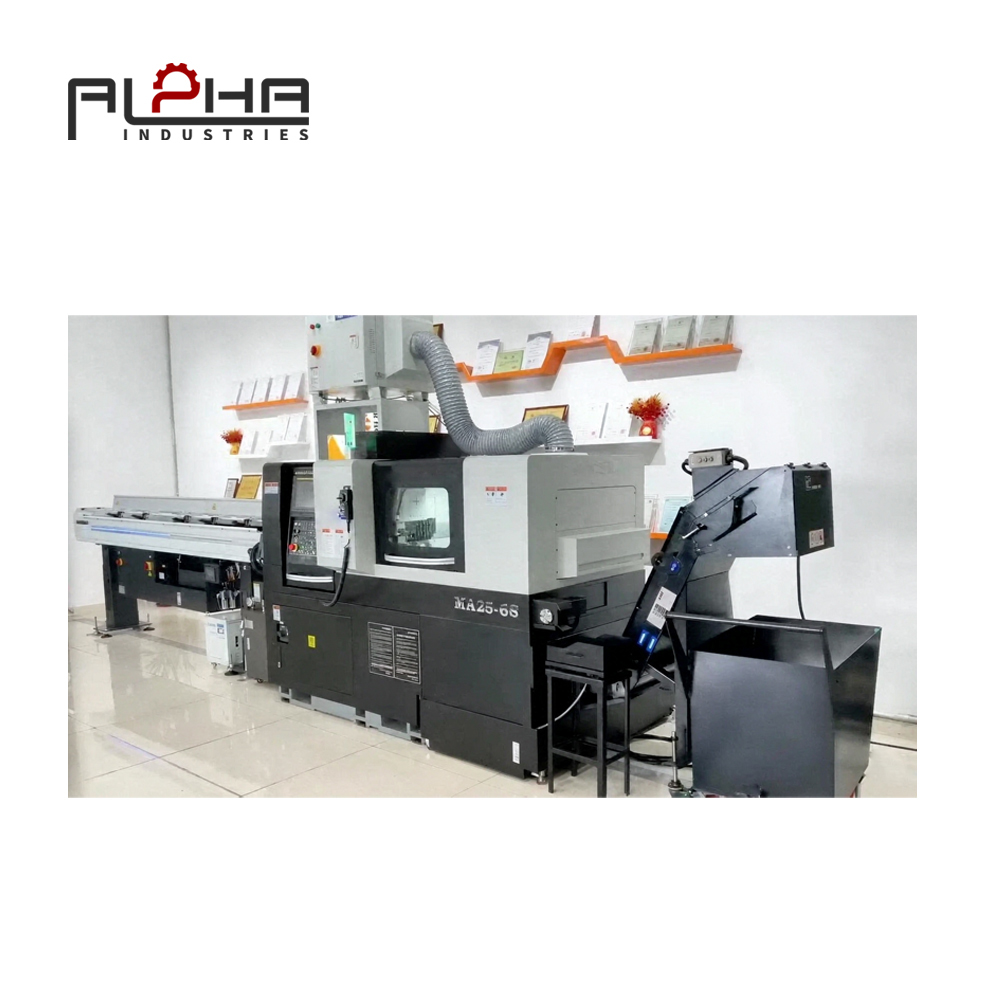


The Future of Manufacturing Isn't Faster—It's More Flexible
Over the last decade, manufacturing across Europe and North America has undergone a fundamental transformation. Traditional production lines designed for large batches of identical components are giving way to a new reality: high-mix, low-volume (HMLV) manufacturing.
Customers now expect customized products, shorter lead times, and frequent design updates. Automotive suppliers produce multiple variants of transmission housings. Aerospace companies machine complex structural parts in limited quantities. Industrial equipment manufacturers increasingly receive small-batch orders with unique specifications.
While this trend creates new business opportunities, it also introduces significant operational challenges. Manufacturers must change fixtures more often, switch tools more frequently, and maintain high precision across constantly changing production schedules.
In this environment, machining flexibility—not simply spindle speed—has become one of the most valuable competitive advantages.
Modern Horizontal Machining Centers (HMCs) are specifically designed to meet these demands by enabling rapid changeovers, multi-face machining, and highly efficient production workflows.
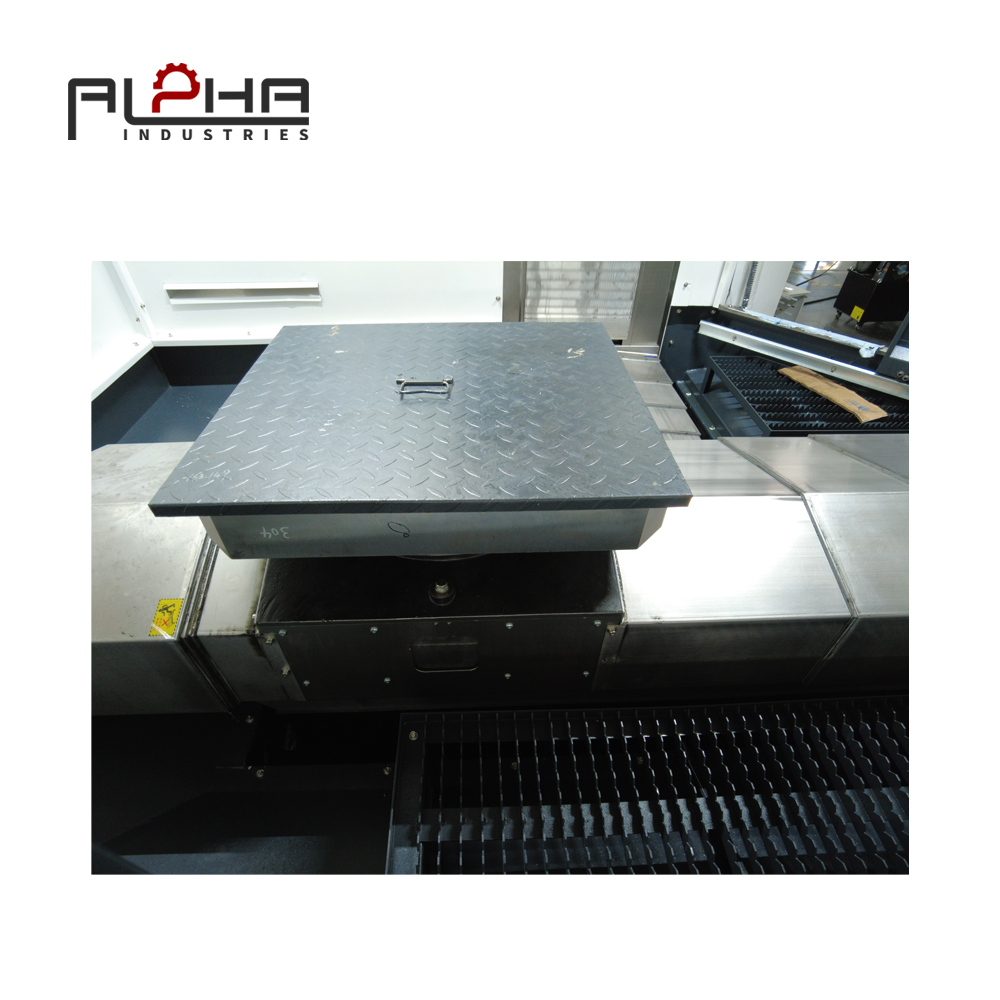
The Biggest Challenge: Reducing Non-Cutting Time
Many factory managers focus on cutting speed when evaluating machining performance. However, studies consistently show that a significant portion of machine time is spent not cutting metal.
Common sources of non-cutting time include:
- Workpiece loading and unloading
- Fixture replacement
- Tool changes
- Manual repositioning
- Program verification
- Workpiece alignment
- Quality inspections between operations
For manufacturers producing hundreds of different part numbers every month, these activities consume valuable production capacity and increase operating costs.
Reducing non-cutting time is often the fastest way to improve overall productivity without increasing machine hours.
Why High-Mix Manufacturing Is Expanding in Europe and North America
Increasing Product Customization
OEMs are offering more product variations than ever before. Components with different dimensions, materials, and configurations require flexible machining solutions capable of handling frequent production changes.
Shorter Product Life Cycles
Engineering revisions occur more frequently, requiring manufacturers to adapt machining programs and production schedules quickly.
Labor Shortages
Skilled CNC operators remain difficult to recruit across many European countries and North America. Manufacturers need machine tools that simplify operation while reducing manual intervention.
Faster Customer Delivery Expectations
Customers increasingly expect delivery within days rather than weeks. Manufacturers cannot afford lengthy setup procedures between production runs.
How Horizontal Machining Centers Improve Production Flexibility
Unlike traditional Vertical Machining Centers that often require multiple setups, Horizontal Machining Centers are engineered to maximize machining efficiency while minimizing interruptions.
Multi-Face Machining in a Single Setup
One of the most significant advantages of an HMC is its ability to machine multiple surfaces of a workpiece during a single clamping operation.
Benefits include:
- Improved dimensional accuracy
- Better positional tolerance
- Reduced fixture changes
- Fewer operator interventions
- Lower cumulative positioning errors
Single-setup machining also shortens production cycles while improving part consistency.
Automatic Pallet Changers Increase Machine Utilization
Modern Horizontal Machining Centers often feature automatic pallet changing systems.
While one pallet is inside the machining area, operators can prepare the next workpiece on a second pallet outside the machine.
This allows loading and unloading to occur simultaneously with machining, significantly reducing idle time.
For high-mix production environments, pallet changers provide continuous workflow without sacrificing flexibility.
Large Tool Magazines Support Diverse Production
High-mix manufacturers frequently switch between different machining operations, including:
- Drilling
- Tapping
- Rough milling
- Finish milling
- Boring
- Chamfering
Large-capacity automatic tool changers reduce the need for manual tool replacement and enable multiple part families to be produced with minimal downtime.
This increases machine availability while simplifying production scheduling.
CNC Automation Reduces Human Error
Frequent production changes increase the risk of operator mistakes.
Modern Horizontal Machining Centers integrate advanced CNC systems capable of:
- Tool life management
- Automatic work offset adjustment
- Intelligent machining strategies
- Collision prevention
- Process monitoring
Automation helps maintain consistent quality even when production schedules change throughout the day.
The Role of Horizontal Machining Centers in Smart Manufacturing
Industry 4.0 has accelerated the adoption of connected manufacturing systems.
Horizontal Machining Centers now play a central role within smart factories by integrating with:
- Manufacturing Execution Systems (MES)
- Enterprise Resource Planning (ERP)
- Tool management software
- Robotic loading systems
- Automated storage systems
- Quality monitoring platforms
This connectivity enables manufacturers to monitor machine performance in real time, optimize production planning, and improve Overall Equipment Effectiveness (OEE).
Financial Benefits Beyond Machining Speed
Investing in a high-performance Horizontal Machining Center provides measurable financial advantages that extend beyond cycle time reductions.
Lower Setup Costs
Single-setup machining and automated pallet systems reduce labor hours associated with fixture changes and machine preparation.
Higher Equipment Utilization
Machines spend more time cutting metal and less time waiting for operators.
Improved Quality Consistency
Fewer setups reduce dimensional variation and improve repeatability across production batches.
Reduced Inventory
Flexible production enables manufacturers to produce parts on demand rather than maintaining excessive inventory.
Faster Return on Investment
Higher productivity, lower scrap rates, and reduced labor requirements contribute to a shorter payback period.
Why ALPHA Horizontal Machining Centers Are Built for Flexible Manufacturing
At ALPHA, we understand that modern manufacturers require more than high-speed machining. They need adaptable equipment capable of responding to changing customer demands while maintaining exceptional accuracy.
Our Horizontal Machining Centers are engineered with rigid machine structures, precision spindle technology, intelligent CNC controls, and automation-ready configurations to support high-mix, low-volume production environments.
Whether manufacturing automotive components, aerospace parts, hydraulic systems, precision molds, or heavy industrial equipment, ALPHA delivers machining solutions that help businesses improve flexibility, maximize machine utilization, and reduce total manufacturing costs.
By combining advanced engineering with dependable performance, ALPHA enables manufacturers across Europe and North America to stay competitive in an increasingly dynamic marketplace.
Frequently Asked Questions
1. What is high-mix, low-volume manufacturing?
High-mix, low-volume (HMLV) manufacturing refers to producing many different products in relatively small quantities, requiring frequent machine setups and flexible production systems.
2. Why is a Horizontal Machining Center better for HMLV production?
An HMC supports multi-face machining, automatic pallet changing, and large tool capacity, reducing setup time and improving production flexibility.
3. How does an HMC improve Overall Equipment Effectiveness (OEE)?
By minimizing non-cutting time, reducing manual interventions, increasing spindle utilization, and improving process consistency, an HMC significantly enhances OEE.
4. Which industries benefit most from flexible Horizontal Machining Centers?
Automotive, aerospace, energy, medical equipment, mold manufacturing, precision engineering, and industrial machinery manufacturers all benefit from HMC flexibility.
5. What should buyers consider when selecting an HMC for flexible manufacturing?
Key factors include:
- Machine rigidity
- Pallet system configuration
- Tool magazine capacity
- CNC control features
- Automation compatibility
- Service support
- Long-term reliability
Contact Us
Ready to Increase Manufacturing Flexibility?
If your factory is facing shorter production runs, more product variations, and increasing pressure to improve efficiency, ALPHA Horizontal Machining Centers provide the flexibility and reliability needed for modern manufacturing.
Our engineering team can recommend the right machining solution based on your production requirements, materials, and automation goals.
Contact Us Today:
https://alpha-cnc.com/contact-us