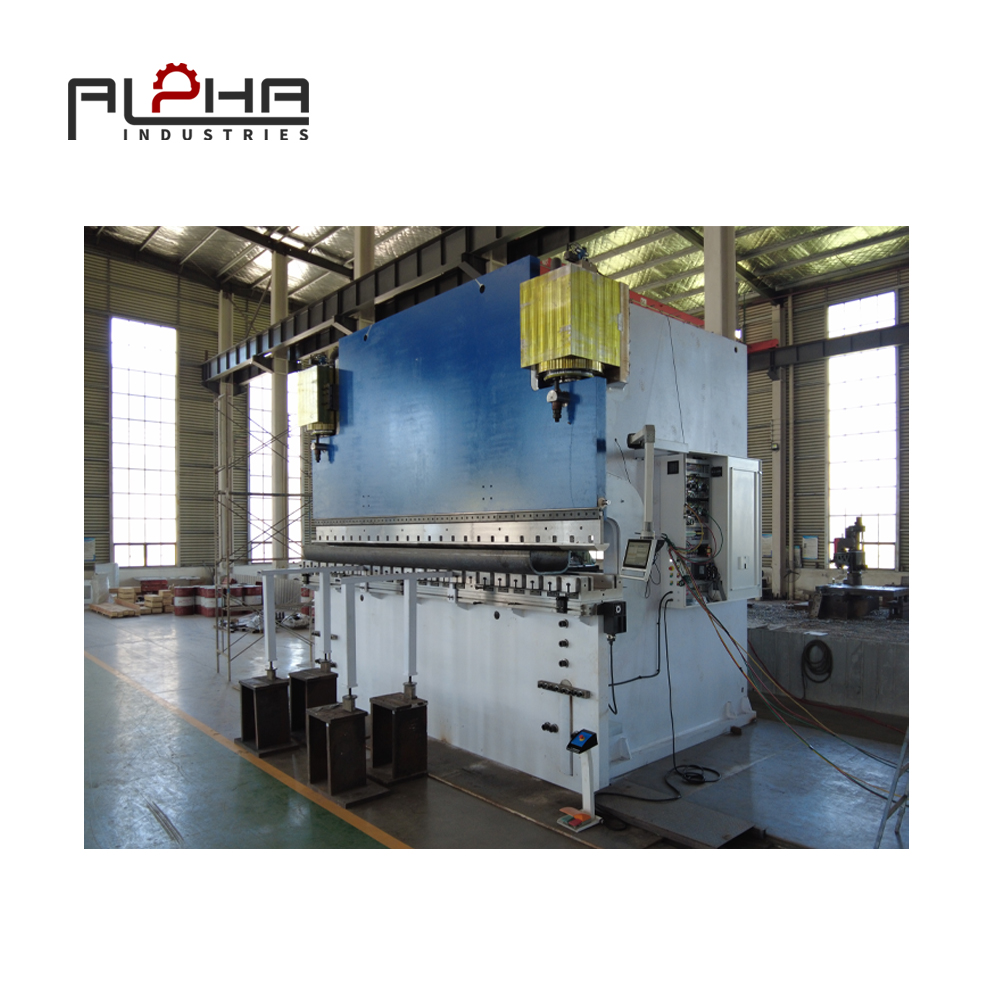


Press Brake Productivity in the Americas: How to Reduce Setup Time and Improve Sheet Metal Bending Efficiency
Across the Americas, sheet metal manufacturers are under increasing pressure to produce more parts in less time while maintaining consistent quality.
The challenge is not always the maximum bending force of the machine. For many fabrication shops, setup time has become a hidden productivity cost.
A press brake may offer high-speed and high-precision bending, but frequent tooling changes, manual backgauge adjustment, repeated test bending, material changes, and complex production schedules can reduce actual machine utilization.
This is particularly important for manufacturers producing customized or high-mix sheet metal components.
Instead of simply asking, “How fast can the press brake bend?”, manufacturers should also ask:
“How quickly can the press brake move from one job to the next while maintaining consistent quality?”
That question changes how press brake productivity should be evaluated.
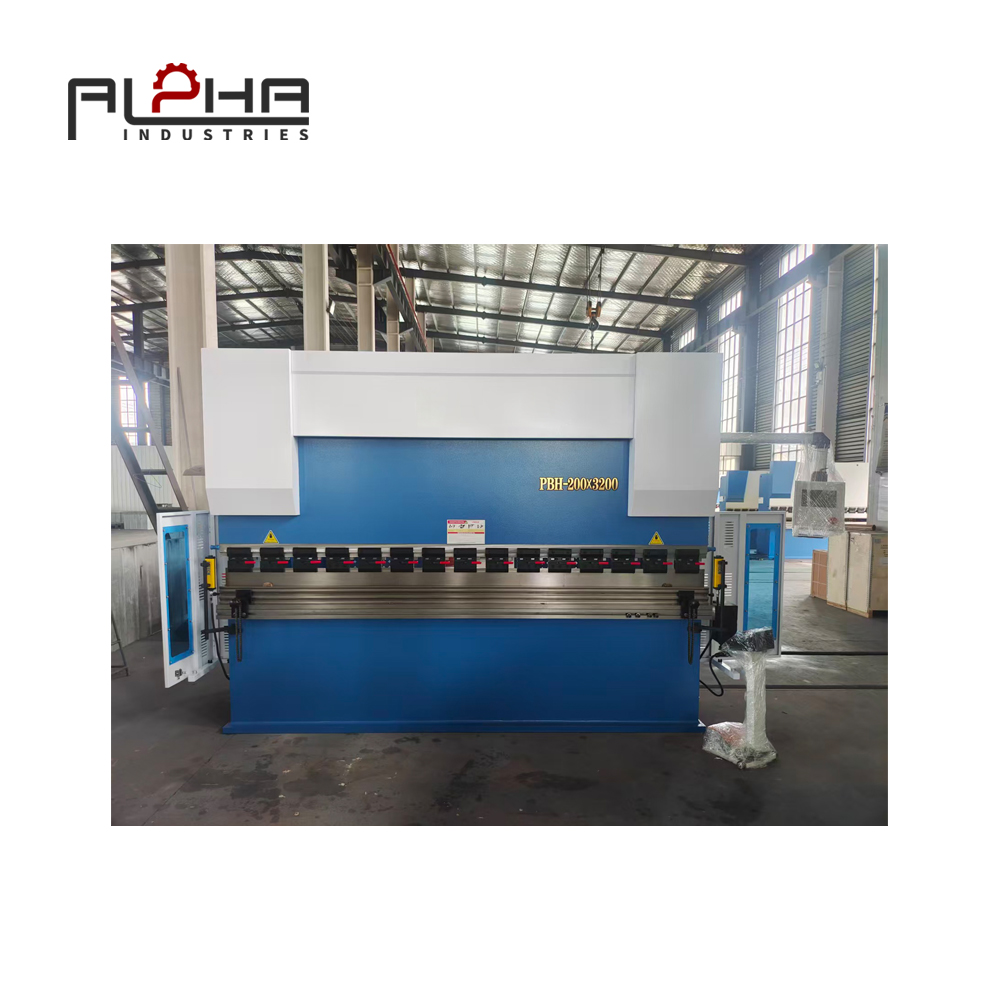
Why Press Brake Setup Time Matters
A bending cycle may take only a few seconds, but the complete manufacturing process includes much more than the actual bending stroke.
Before production starts, operators may need to:
-
Select punches and dies
-
Install and adjust tooling
-
Load the bending program
-
Set material parameters
-
Adjust the backgauge
-
Position the first workpiece
-
Perform test bends
-
Measure the finished angle
-
Correct bending parameters
-
Confirm flange dimensions
-
Begin continuous production
When these activities are repeated many times each day, setup time can become a significant part of the production schedule.
This is especially important in high-mix, low-volume manufacturing. A company producing 1,000 identical parts can spread setup time across a large production run, while a fabrication shop producing 20 different components may not have that advantage.
Therefore, setup efficiency can be as important as bending speed.
The High-Mix Production Challenge in the Americas
Many manufacturers in North and South America serve customers requiring customized products rather than standardized mass-produced components.
Typical production challenges include:
-
Different material thicknesses
-
Different sheet dimensions
-
Multiple bending angles
-
Short production runs
-
Frequent tooling changes
-
Customized components
-
Tight delivery schedules
-
Frequent order changes
Under these conditions, the press brake needs to be flexible.
A machine designed only around maximum tonnage may not provide the best production efficiency if operators spend excessive time preparing each new job.
Modern CNC press brake technology addresses this challenge by making more of the bending process programmable and repeatable.
How CNC Control Can Reduce Press Brake Setup Time
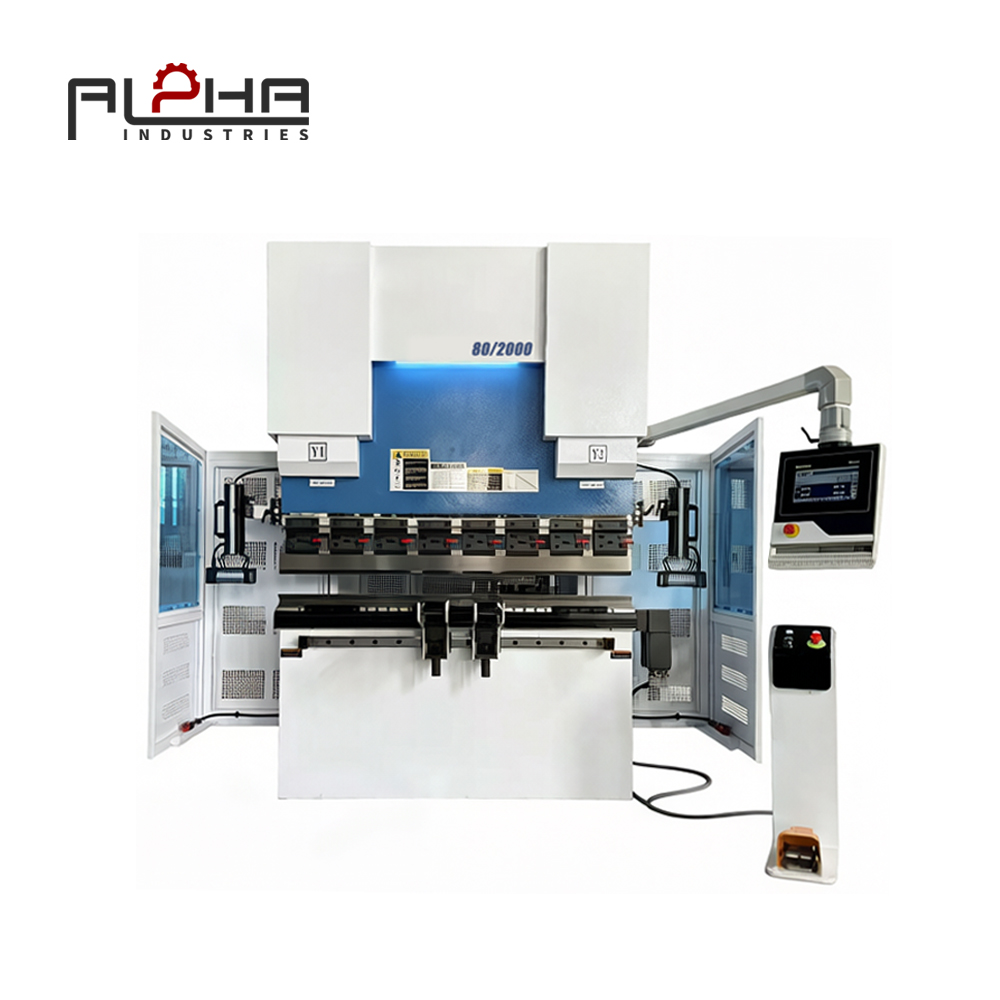
The CNC control system is central to modern press brake productivity.
Instead of manually calculating and adjusting every bending operation, operators can store production parameters and recall previously established programs.
Depending on the machine configuration, CNC control can manage:
-
Bending sequences
-
Backgauge positioning
-
Bending angles
-
Tool configurations
-
Multi-step operations
-
Production parameters
-
Repeat programs
For repeat orders, stored programs can significantly reduce manual setup and help standardize production.
For example, if a customer regularly orders the same electrical enclosure, the manufacturer can save the proven bending program and use it again when the next order arrives.
This is one reason CNC press brakes are particularly useful in high-mix production environments.
Precision Backgauges and Faster Part Positioning
Backgauge positioning directly affects bending dimensions.
If the workpiece is positioned manually for every bend, production may depend heavily on operator experience and measurement.
A CNC-controlled backgauge can automatically move to programmed positions, helping reduce:
-
Manual measurement
-
Positioning errors
-
Repeated adjustments
-
Setup time
-
Operator workload
For multi-bend components, automatic positioning becomes even more valuable.
Manufacturers should select the number of backgauge axes according to actual part complexity rather than simply choosing the largest possible configuration.
Tooling Strategy Is an Important Part of Productivity
Tooling has a direct relationship with setup time.
If operators spend considerable time installing, aligning, measuring, and adjusting tooling between jobs, machine utilization can decline.
An efficient tooling strategy may include:
-
Quick clamping systems
-
Segmented tooling
-
Standardized tool layouts
-
Dedicated tooling for repeat parts
-
Organized tool storage
-
Appropriate punch and die selection
For manufacturers handling many different products, organized tooling management can make job changes more predictable.
The objective is not simply to change tools faster, but to create a repeatable setup process.
Standardization Can Reduce Dependence on Individual Operator Experience
Experienced press brake operators remain extremely valuable. They understand material behavior, springback, tooling selection, bending sequences, and production problems.
However, when critical production knowledge exists only in individual experience, manufacturers may face operational risks.
Standardized CNC programs can help preserve part-specific production information.
A standardized workflow can include:
Drawing → Tool Selection → CNC Program → Test Bend → Inspection → Production
Once a reliable process has been established, it can be documented and reused.
This does not eliminate the need for skilled workers. Instead, it allows skilled workers to spend more time solving complex production problems rather than repeatedly performing basic setup tasks.
Reducing Trial Bends and Material Waste
Another hidden cost of press brake production is material used during setup.
Trial bends may be required because of:
-
Material thickness variation
-
Different material grades
-
Springback
-
Incorrect tooling
-
Incorrect bending parameters
-
Incorrect backgauge positioning
-
Programming errors
Modern CNC systems and properly configured bending processes can reduce unnecessary trial-and-error.
For high-value materials such as stainless steel or specialty alloys, reducing setup scrap can help control production costs.
The objective is to move from:
Setup → Trial → Correction → Trial → Production
toward:
Programmed Setup → Verification → Production
The actual improvement depends on the machine, material, tooling, operator training, and application.
Why Bending Consistency Matters More Than Maximum Speed
A press brake's rated speed can look attractive during equipment selection. However, maximum machine speed does not automatically equal maximum production output.
Manufacturers should consider total process efficiency, including:
-
Setup time
-
Cycle time
-
Tool changes
-
Programming time
-
Inspection time
-
Rework
-
Scrap
-
Operator intervention
A machine with efficient CNC programs, automatic positioning, optimized tooling, and fewer setup corrections may achieve better overall utilization than a faster machine that requires frequent manual adjustments.
Press Brake Automation for Labor-Constrained Manufacturing
Labor availability is another consideration for manufacturers throughout the Americas.
Automation can help manufacturers increase productivity without relying entirely on additional manual labor.
Depending on production requirements, automation may involve:
-
CNC programming
-
Automatic backgauges
-
Automated tool positioning
-
Robotic loading and unloading
-
Automatic part handling
-
Production monitoring
However, full robotic automation is not appropriate for every fabrication shop.
High-volume production with consistent components may benefit from robotic bending, while high-mix production may require a more flexible approach centered on CNC control, fast tooling changes, and efficient operator workflows.
The appropriate solution depends on production volume, part geometry, material, product variation, and available floor space.
Safety Should Remain Part of Press Brake Productivity
Productivity improvements should not be separated from safe machine operation.
Press brakes involve significant mechanical forces, and the point of operation presents potential hazards.
Manufacturers should consider appropriate safety systems, guarding, controls, operator training, and safe working procedures when evaluating a press brake.
A faster process is not a successful process if it compromises safe operation.
How Manufacturers Can Evaluate a Press Brake Beyond Tonnage
When selecting a press brake for the Americas market, manufacturers should evaluate more than bending force.
Bending Capacity
Consider:
-
Maximum bending length
-
Maximum material thickness
-
Required bending force
-
Material type
-
Typical part dimensions
CNC Control
Evaluate whether the control system can support the required bending complexity and production workflow.
Backgauge Configuration
The number of controlled axes should correspond to the geometry and positioning requirements of the parts being produced.
Tooling
Consider product variety and how frequently tooling needs to change.
Setup Efficiency
Ask how quickly operators can move from one job to another.
Automation Potential
Consider whether the machine can support future automation if production requirements change.
Operator Usability
A sophisticated machine still needs to be practical for the people who operate and maintain it.
How ALPHA Approaches Press Brake Solutions
At ALPHA, the focus is not simply on supplying a press brake with a specified tonnage.
Different manufacturers have different requirements.
A job shop may prioritize flexibility and fast setup. A high-volume manufacturer may prioritize automation and repeatability. A heavy fabrication company may require greater bending force and working length.
The appropriate press brake configuration should therefore be considered according to:
-
Material
-
Thickness
-
Part dimensions
-
Production volume
-
Product variety
-
Required accuracy
-
Tooling
-
Operator experience
-
Automation requirements
-
Future production plans
For manufacturers across the Americas, this application-oriented approach can help create a more efficient sheet metal bending process.
Frequently Asked Questions
What is the main factor affecting press brake productivity?
Press brake productivity depends on more than bending speed. Setup time, tooling changes, CNC programming, backgauge positioning, inspection, scrap, and cycle time can all affect output.
How can a CNC press brake reduce setup time?
A CNC press brake can store bending programs, automatically position the backgauge, manage bending sequences, and reduce repeated manual adjustments.
Is a CNC press brake suitable for high-mix production?
Yes. CNC control is useful for high-mix production because different bending programs can be stored and recalled for different parts.
How does tooling affect press brake efficiency?
Tooling affects setup time, bending quality, and production flexibility. Quick-clamping systems, organized tooling, and appropriate punch-and-die combinations can improve job changes.
Does press brake automation eliminate the need for skilled operators?
No. Automation can reduce repetitive manual tasks, but operators remain important for quality control, tooling decisions, troubleshooting, and process optimization.
What should I consider when buying a press brake?
Consider bending force, bending length, material thickness, CNC control, backgauge configuration, tooling, production volume, product variety, setup requirements, safety systems, and future automation.
Can a press brake improve production efficiency without increasing machine speed?
Yes. Reducing setup time, manual adjustments, trial bends, tooling changes, and positioning work can improve total production efficiency.
Conclusion
For manufacturers across the Americas, improving press brake productivity is not necessarily about making every bending cycle faster.
A more sustainable approach is to improve the entire bending workflow.
Reducing setup time, standardizing CNC programs, improving backgauge positioning, optimizing tooling, reducing trial bends, and matching automation to actual production requirements can help manufacturers make better use of labor and equipment.
For high-mix sheet metal fabrication, these improvements can be particularly valuable because frequent job changes can consume significant production time.
The modern press brake should therefore be viewed not simply as a bending machine, but as part of an integrated sheet metal manufacturing process.
ALPHA focuses on providing metalworking machinery solutions that can be matched to different production requirements, from flexible job-shop bending to more automated industrial manufacturing.
If you are evaluating a press brake machine for your production line, ALPHA can help you review bending requirements, material specifications, production volume, tooling, CNC configuration, and automation options.
Contact ALPHA to discuss your sheet metal bending requirements.