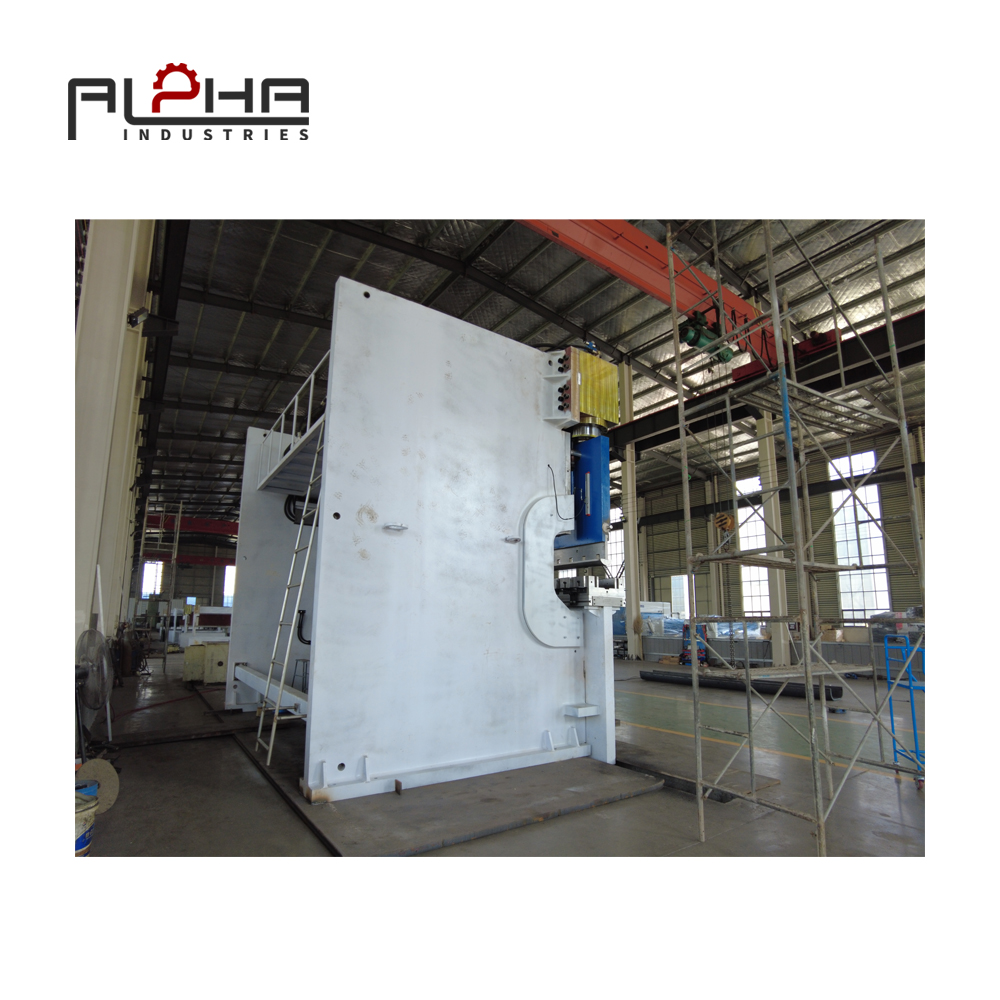


CNC Press Brake for the South American Market: Why Skilled Labor Shortages Are Driving a New Era of Automated Sheet Metal Fabrication
The South American Market's Hidden Manufacturing Challenge Isn't Steel—It's Skilled Workers
The South American market continues to experience strong industrial growth. Industries such as agricultural machinery, mining equipment, truck manufacturing, renewable energy, construction equipment, heavy steel structures, transportation, and industrial machinery continue to expand across the region.
However, many manufacturers across the South American market face a challenge that receives less attention than rising raw material costs: finding skilled press brake operators.
A shortage of experienced workers has become a significant obstacle to maintaining productivity and profitability.
Traditional press brakes require highly trained operators who understand:
- Material properties
- Bend allowance calculations
- Tool selection
- Angle correction
- Multi-step bending sequences
- Backgauge positioning
- Springback compensation
Training a professional operator often takes years, and employee turnover increases production uncertainty.
A modern CNC Press Brake changes this equation. Instead of depending heavily on operator experience, manufacturers across the South American market can standardize production through intelligent automation.
Why Skilled Labor Shortages Are Becoming Expensive for South American Manufacturers
Challenge 1: Long Training Cycles
A conventional press brake operator must understand how different materials behave during bending, including:
- Carbon steel
- Stainless steel
- Aluminum
- Galvanized sheet
- High-strength steel
Each material requires different bending parameters.
Challenge 2: High Scrap Rates
New operators often produce:
- Incorrect bending angles
- Wrong flange dimensions
- Surface scratches
- Material cracks
- Tool collisions
Higher scrap rates increase material costs and delay deliveries.
Challenge 3: Production Inconsistency
Two operators may produce different results using the same drawing.
This inconsistency creates problems for industries requiring precision assembly, including:
- Agricultural equipment
- Truck chassis
- Mining machinery
- Electrical cabinets
- Elevator components
- Solar mounting structures
Challenge 4: Rising Labor Costs
Experienced operators command higher salaries.
Companies also face costs related to:
- Recruitment
- Training
- Overtime
- Production downtime
- Employee turnover
In many cases, these hidden labor costs exceed equipment depreciation.
How a CNC Press Brake Reduces Operator Dependency
A CNC Press Brake integrates intelligent control systems with hydraulic precision, allowing the machine to automate much of the decision-making process.
Automatic Bend Programming
Modern CNC controllers can:
- Store thousands of programs
- Calculate bending sequences
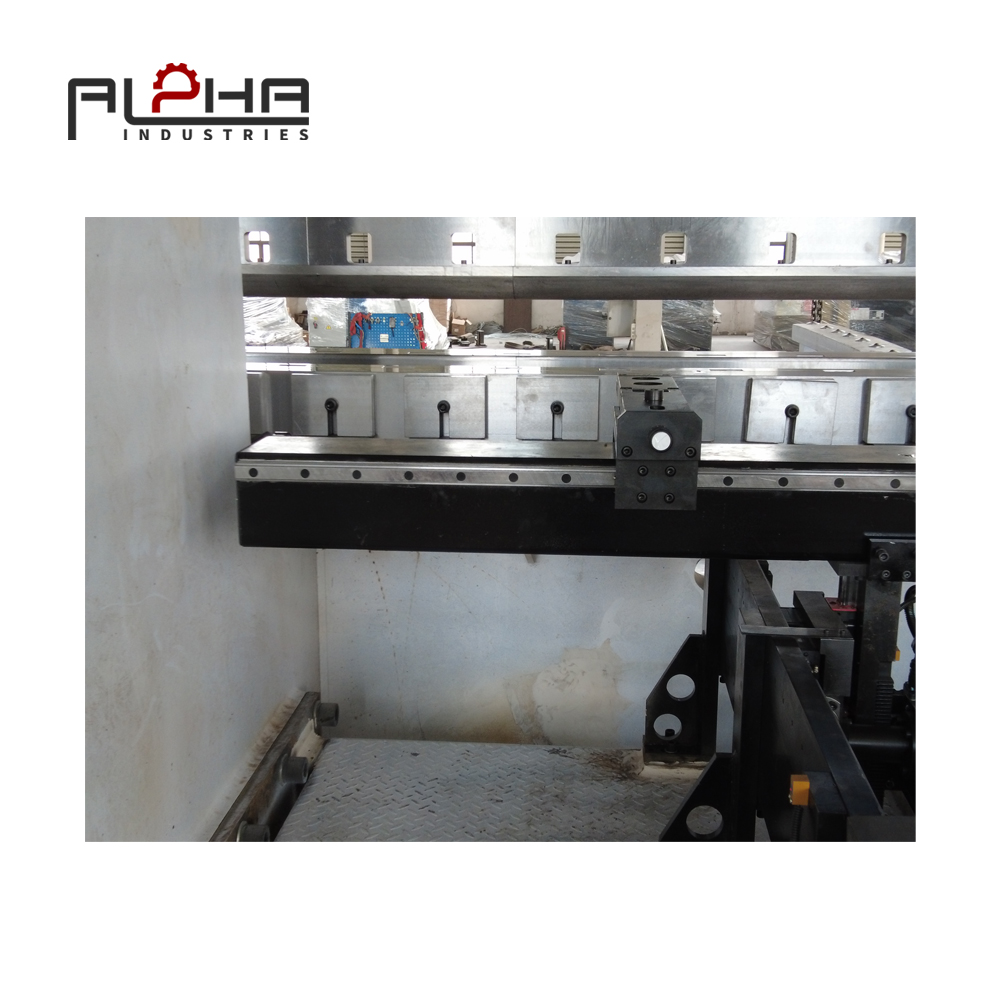
- Adjust backgauge positions
- Manage multiple tooling setups
Operators simply select the correct part program, dramatically reducing setup time.
Intelligent Backgauge Control
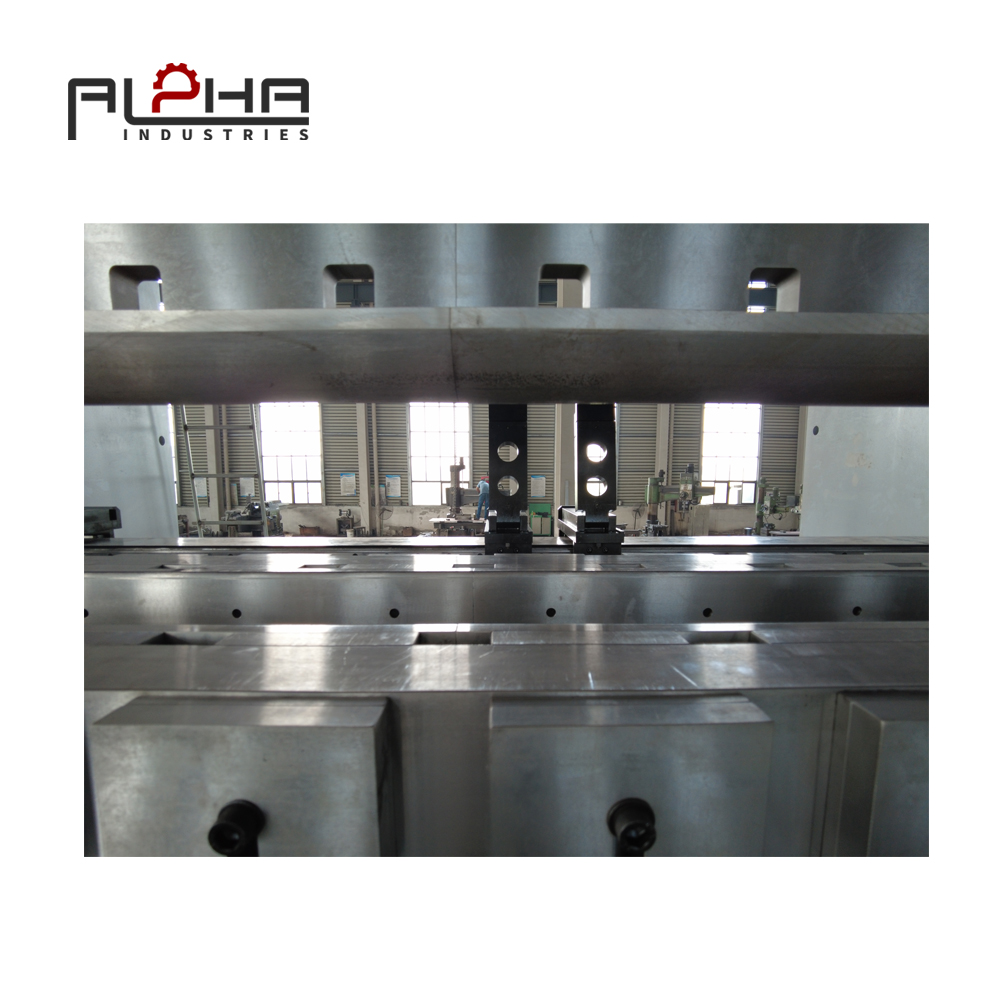
Servo-driven backgauges automatically position materials, providing:
- Higher accuracy: ±0.01 mm positioning
- Faster production: No manual measuring
- Reduced mistakes: Automatic positioning minimizes human error
Automatic Angle Compensation
Springback is one of the biggest challenges in sheet metal fabrication.
A CNC Press Brake automatically compensates for:
- Material thickness variation
- Yield strength differences
- Sheet hardness
- Environmental conditions
The result is highly consistent bending quality.
Quick Tool Change Systems
Traditional tooling changes consume valuable production time.
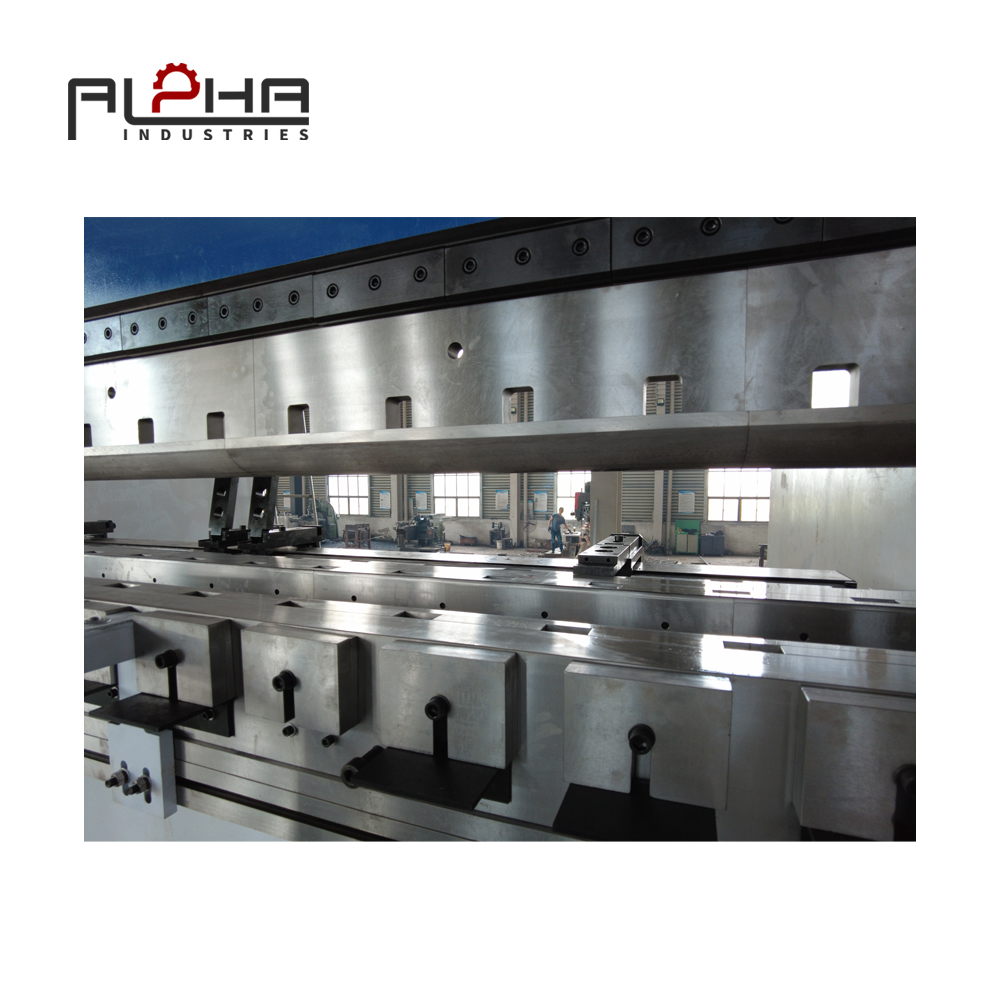
Modern CNC Press Brakes feature:
- Quick clamps
- Segmented punches
- Modular dies
- Hydraulic clamping
These systems make tool changes faster, safer, and more efficient.
Multi-Axis CNC Control Improves Productivity
Advanced CNC Press Brakes may include:
| Axis | Function |
|---|---|
| Y1 / Y2 | Independent ram control |
| X | Backgauge depth |
| R | Vertical positioning |
| Z1 / Z2 | Horizontal finger movement |
| Crowning | Automatic deflection compensation |
These features simplify complex bending operations while improving precision.
Industries Across the South American Market Benefiting from CNC Press Brake Automation
Agricultural Machinery
Applications include:
- Grain storage systems
- Seed planters
- Harvesters
- Irrigation equipment
Consistent bending improves assembly quality.
Mining Equipment
Heavy-duty fabricated parts require accurate bending that minimizes welding corrections.
Transportation Industry
Truck bodies and trailers depend on repeatable bends for structural integrity.
Renewable Energy
Solar panel supports and wind power structures require precision sheet metal fabrication.
Construction Equipment
Heavy structural components demand high repeatability and strength.
Reducing Scrap Through Process Standardization
A CNC Press Brake reduces waste through:
- Program consistency – Every operator follows identical parameters.
- Repeatable tooling – Stored tooling libraries improve accuracy.
- Automatic angle correction – Compensation minimizes rejects.
- Offline programming – Errors are detected before production begins.
How Automation Helps South American Manufacturers Compete Globally
International buyers increasingly expect:
- Short lead times
- Stable quality
- Traceability
- Competitive pricing
Automated bending helps manufacturers achieve these goals by delivering:
- Faster production
- Higher consistency
- Lower labor costs
- Better scalability
Production can grow without proportional increases in workforce.
Energy Efficiency Matters Too
Modern CNC hydraulic systems optimize power consumption through:
- Servo hydraulic technology
- Variable displacement pumps
- Standby energy-saving modes
- Intelligent pressure management
Lower operating costs improve long-term profitability.
Safety Improvements Reduce Workplace Risks
Modern CNC Press Brakes improve operator safety with:
- Laser protection systems
- Light curtains
- Emergency stop circuits
- Safety PLC controls
- Automatic speed adjustment
Safer workplaces reduce downtime and operational risks.
Choosing the Right CNC Press Brake for the South American Market
When selecting a CNC Press Brake, manufacturers should evaluate:
- Bending capacity
- Bending length
- Material types
- CNC controller capabilities
- Automation compatibility
- Service and spare parts support
- Future production expansion
Why ALPHA CNC Press Brake Solutions Support Manufacturing Growth Across the South American Market
ALPHA CNC Press Brakes help manufacturers reduce dependence on highly skilled operators while improving production consistency.
Key Advantages
✅ High-precision hydraulic synchronization
✅ Multi-axis CNC control
✅ Fast tooling changes
✅ Servo backgauge systems
✅ Energy-efficient hydraulic design
✅ Stable long-term performance
✅ Ideal for agriculture, mining, transportation, renewable energy, and heavy industrial applications
By simplifying complex bending operations, ALPHA helps manufacturers across the South American market increase productivity while controlling labor costs.
Frequently Asked Questions
Why is the South American market investing in CNC Press Brake technology?
Labor shortages and rising production costs are driving manufacturers across South America toward automation and consistent manufacturing quality.
How does a CNC Press Brake reduce skilled labor requirements?
Automated programming, servo backgauges, and angle compensation simplify operation while reducing manual adjustments.
Is a CNC Press Brake suitable for heavy industrial applications?
Yes. Modern hydraulic CNC Press Brakes are ideal for mining, agriculture, transportation, and construction industries.
Can a CNC Press Brake improve production consistency?
Absolutely. Stored programs and automated positioning ensure repeatable bending accuracy across production batches.
What industries benefit most from CNC Press Brakes in the South American market?
Agriculture, mining, transportation, renewable energy, steel structures, industrial equipment, construction machinery, and other metal fabrication industries throughout South America.
Conclusion
Manufacturing across the South American market is entering an era where labor efficiency is becoming just as important as machine capacity.
Factories that continue relying on manual bending processes may struggle with workforce shortages, inconsistent quality, and rising operating costs.
A CNC Press Brake provides a practical path toward automation by reducing operator dependency, improving bending accuracy, minimizing scrap, and increasing overall productivity.
For manufacturers across the South American market seeking sustainable growth, investing in intelligent bending technology is no longer simply an equipment upgrade—it is a strategic business decision.